
Mitch McConnell's Health Sparks Chaos as Rumors of Brain Death Erupt
Scott Jennings, a Republican political analyst, dropped a bombshell about Mitch McConnell’s health, claiming the senator is still hospitalized while rumors of his condition spiral out of control.
Jennings, who previously advised McConnell, confirmed he spoke with the senator, who is reportedly recovering but remains in a medical facility. Despite this, McConnell's allies insist he will return to work, even as his office has been tight-lipped about his actual condition.
Critics are already questioning the accuracy of the reports surrounding McConnell’s health. Jennings mentioned they discussed various topics, including sexual assault allegations in the Maine Senate race and the ceasefire negotiations with Iran.
“He’s still recovering in the hospital,” Jennings stated. “I told him we want to see him back at work as soon as possible.”
On Monday, Laura Loomer, a far-right activist known for her conspiracy theories and racist remarks, claimed a “high-level source close to the White House” informed her that McConnell was “brain dead” and “not coming back” to Washington. Loomer’s credibility is questionable, but her ties to Donald Trump’s administration are significant.
Last year, she assisted Trump in removing perceived disloyal members from the National Security Council and was seen at the White House just last month.
As speculation ran rampant on social media, inquiries were made to McConnell’s office for updates. A spokesperson stated, "Senator McConnell appreciates the outpouring of support he's receiving while he continues his recovery in the hospital. The Senator continues to improve and is working closely with his staff on Kentucky and Senate matters while the Senate is out of session.”
Senate leadership members echoed Jennings’ claims of having spoken with McConnell. A spokesperson for John Thune’s office reported, "Leader Thune spoke with Sen. McConnell yesterday by phone. They had a lengthy and substantive conversation that covered a variety of topics, including national security.”
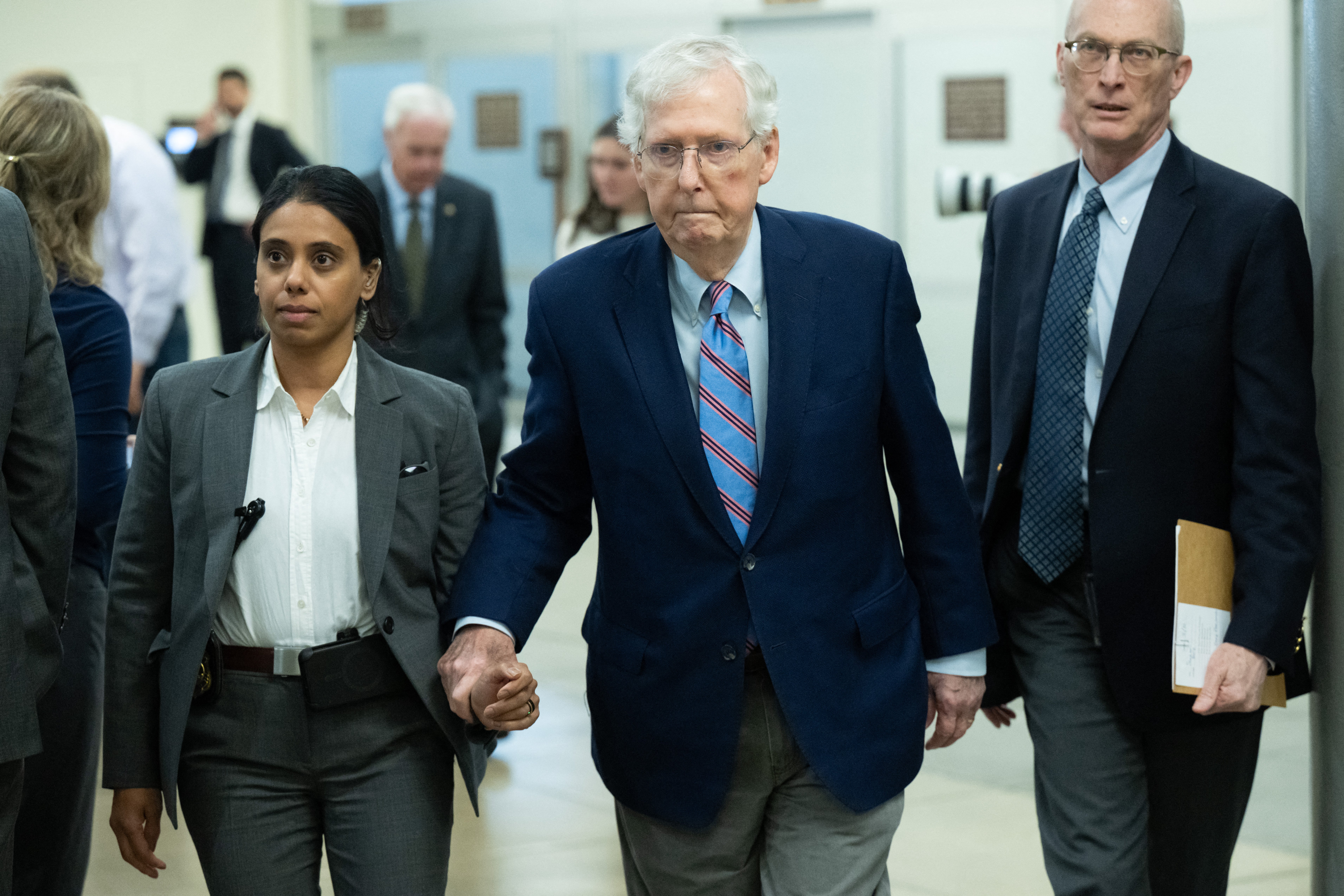
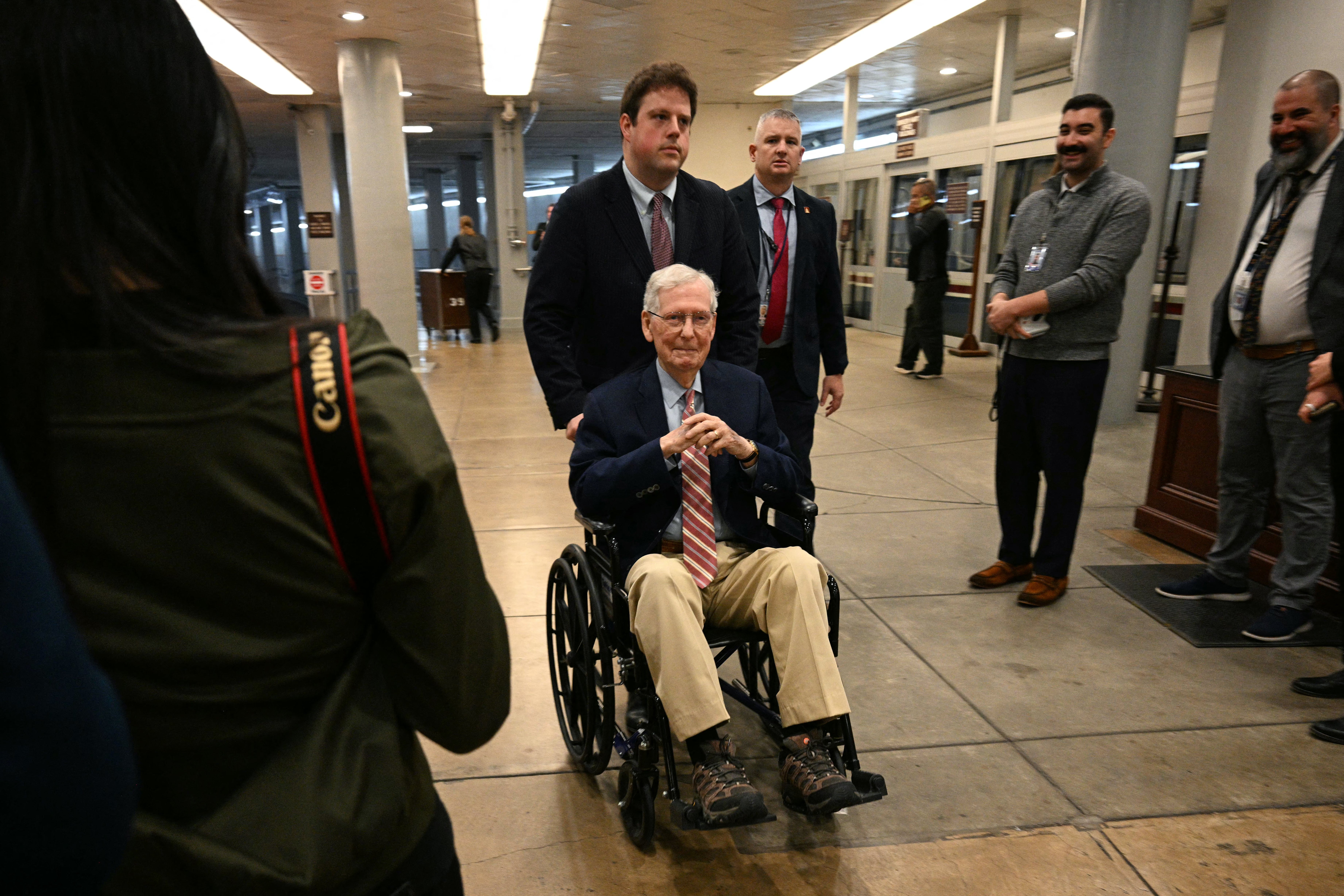
McConnell’s health status has become a contentious issue on Capitol Hill. His declining health is evident; he now uses a wheelchair after a fall in early 2025. He has significantly reduced his public appearances and rarely engages with reporters.
Last year, he announced he would not seek re-election in 2028, igniting a battle for his seat in Kentucky. Paramedics responded to his home on June 14 for a cardiac arrest incident, performing CPR according to dispatch audio.
Despite his health issues, McConnell remains a formidable political figure. He has increasingly diverged from Trump and taken stances that often put him at odds with the White House. His post-leadership role has seen him act as a Senate maverick.
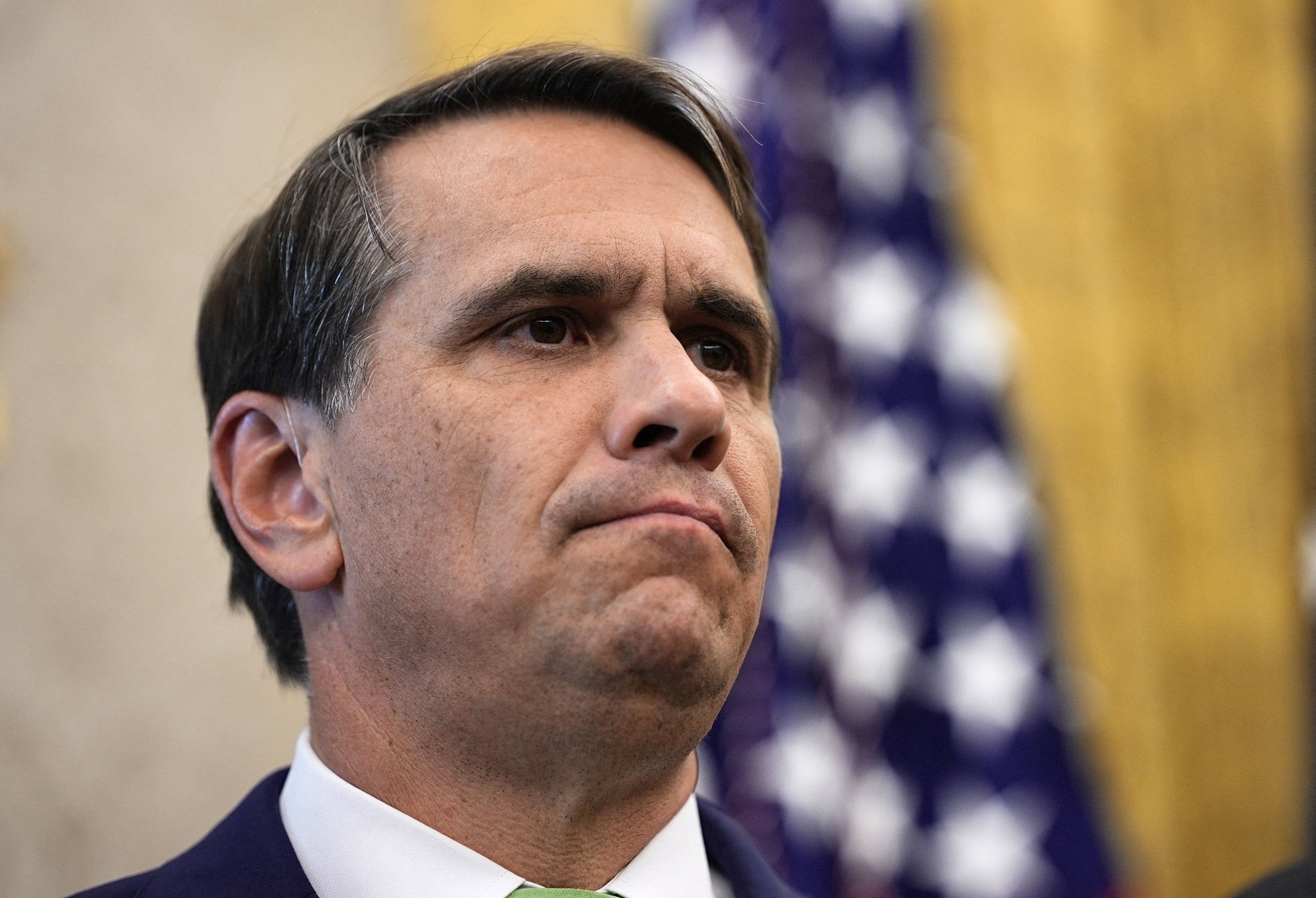
In late May, just weeks before his hospitalization, McConnell attended a meeting with Acting Attorney General Todd Blanche regarding a controversial $1.776 billion fund aimed at compensating victims of alleged “weaponization” by Joe Biden, including January 6 rioters.
The meeting turned contentious, with McConnell leading the charge against funding such provisions during an election year. He criticized the request by stating, “So the nation’s top law enforcement official is asking for a slush fund to pay people who assault cops? Utterly stupid, morally wrong – Take your pick.”
He also opposed the confirmation of three Trump Cabinet members last year: Defense Secretary Pete Hegseth, Health Secretary Robert F. Kennedy Jr., and former Director of National Intelligence Tulsi Gabbard. Throughout his career, McConnell has been a thorn in Trump’s side but also played a crucial role in protecting Trump from impeachment following the January 6 attack.
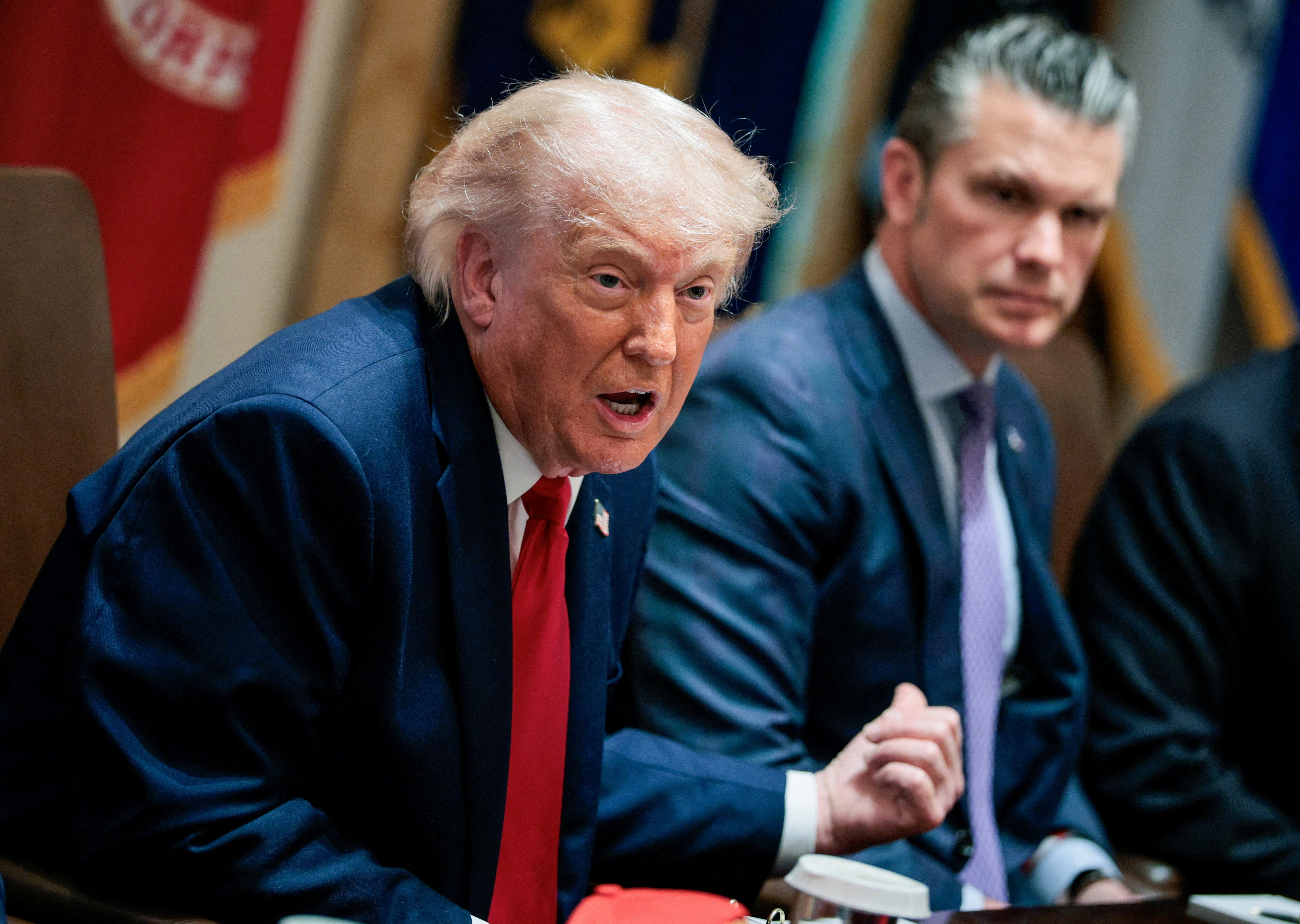
McConnell's absence poses significant challenges for Senate Majority Leader John Thune. The Senate has faced repeated defections on key votes amid growing tensions between the White House and Senate Republicans over issues like the Iran war and other contentious topics.
Trump's endorsements against two incumbent senators this cycle have further complicated matters, leading to losses in Republican primaries. This situation forces Republicans to expend more resources to maintain their Senate majority, which many believe would be secure without Trump's interference.
If McConnell's health issues lead to his departure from the Senate, it could trigger a scramble for his seat through special election, adding another layer of complexity for Republican leadership as they navigate the midterms.