


Supreme Court Declares Louisiana's Congressional Map Unconstitutional
The U.S. Supreme Court has ordered Louisiana to redraw its congressional map, declaring the previous design unconstitutional due to what it termed an “unconstitutional racial gerrymander.” This ruling, delivered on Wednesday, could significantly influence Republican strategies in upcoming elections.
In a decisive 6-3 ruling, the court's conservative majority asserted that Louisiana's reliance on race in its 2024 congressional map was excessive. This decision follows a prior ruling that deemed the 2020 congressional map unconstitutional for different reasons, highlighting ongoing challenges in the state's electoral boundaries.
Despite the ruling, the justices opted not to intervene regarding Section 2 of the Voting Rights Act, a pivotal law aimed at preventing racial discrimination in voting practices.
The implications of this decision extend beyond Louisiana, potentially encouraging other Republican-led states to adopt similar redistricting strategies that interpret Section 2 more leniently. This could reshape the political landscape ahead of the midterm elections.
Justice Elena Kagan, representing the court's liberal wing, expressed strong dissent, cautioning that this ruling might undermine the protections afforded by the Voting Rights Act. “If other States follow Louisiana’s lead, minority citizens will lose their equal opportunity to elect candidates of their choice,” Kagan stated, emphasizing the potential decline in minority representation.
She further articulated her dissent: “I dissent because Congress elected otherwise. I dissent because the Court betrays its duty to faithfully implement the great statute Congress wrote.” Kagan's remarks reflect deep concerns about the erosion of civil rights protections.
More than a decade after challenging a crucial aspect of the Voting Rights Act, the justices revisited this landmark legislation, which was designed to dismantle Jim Crow-era voting restrictions. Section 2 prohibits voting regulations that discriminate based on race; however, if states are no longer required to consider racial impacts in congressional districting, the ramifications could be extensive. This shift may empower Republican lawmakers to dismantle Democratic-leaning districts across the South.
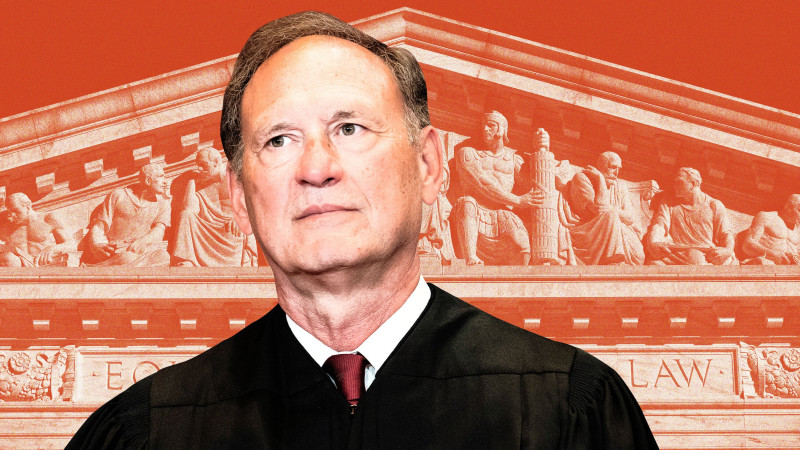
Arguments from Republican officials and Trump administration lawyers suggested that historical racial discrimination should not dictate contemporary electoral practices. Justice Samuel Alito, authoring the majority opinion, noted that Louisiana lacked a “compelling interest” to justify its race-based map adjustments. He clarified that Section 2 applies only when there is clear evidence of intentional discrimination.
Alito stated, “Thus [Section 2] does not intrude on States’ prerogative to draw districts based on nonracial factors, including to achieve partisan advantage.”
Justice Clarence Thomas concurred with Alito but went further, asserting that Section 2 should not influence congressional line drawing at all. This perspective aligns with his long-standing skepticism regarding judicial intervention in racial gerrymandering cases.
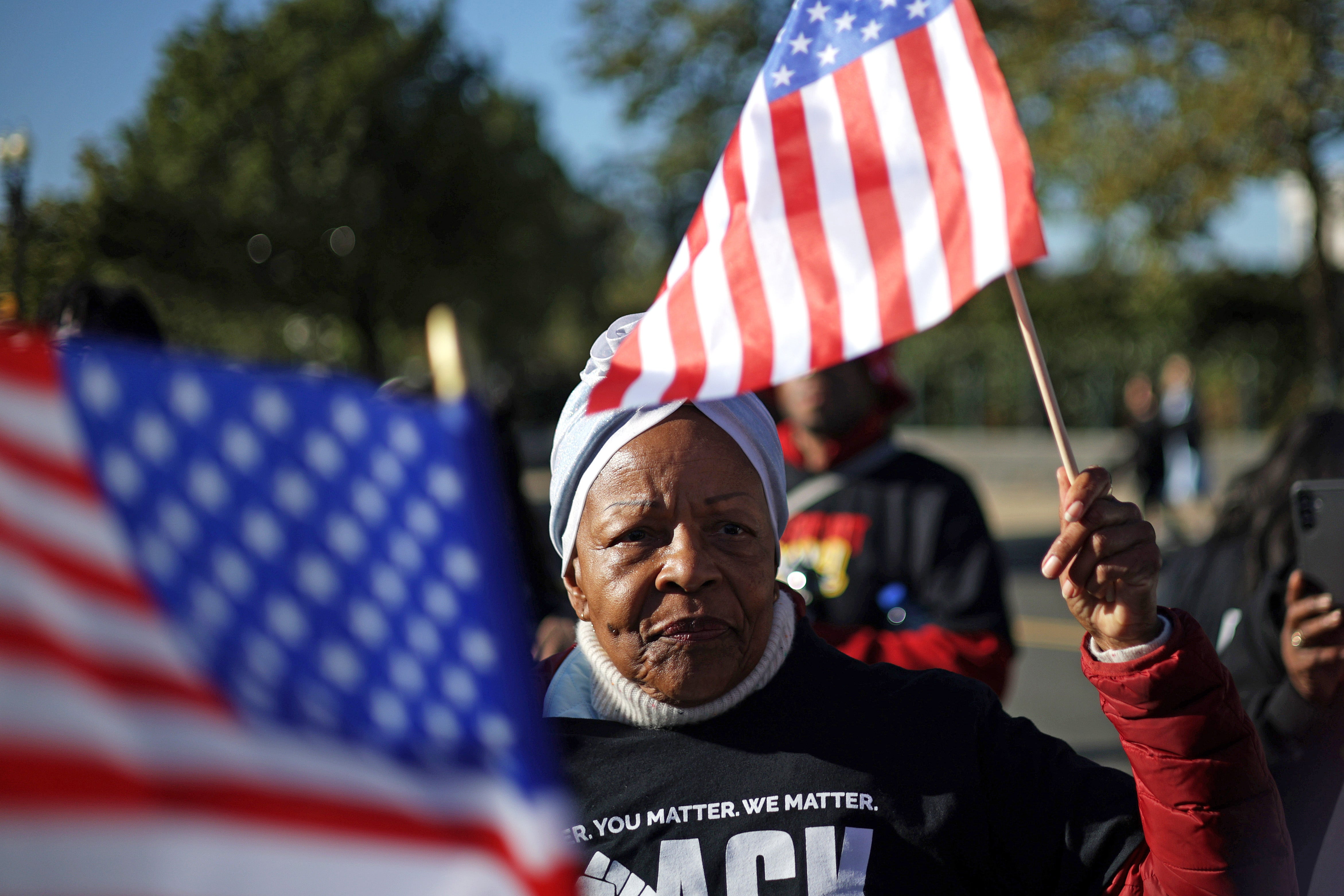
Black voters constitute approximately one-third of Louisiana’s population but have been predominantly concentrated into a single majority-Black district while being dispersed across five others. This practice of “packing” and “cracking” dilutes their electoral power and has been a focal point in discussions surrounding fair representation.
Following a lawsuit invoking the Voting Rights Act, Louisiana was compelled to revise its congressional map to create a second majority-Black district. In an unusual move, the Supreme Court requested a second round of arguments, broadening the case's scope to address significant constitutional questions regarding Section 2.
During oral arguments in October, conservative justices raised questions about potential time limits on considering race in redistricting. Justice Brett Kavanaugh queried, “What exactly do you think the end point should be?”
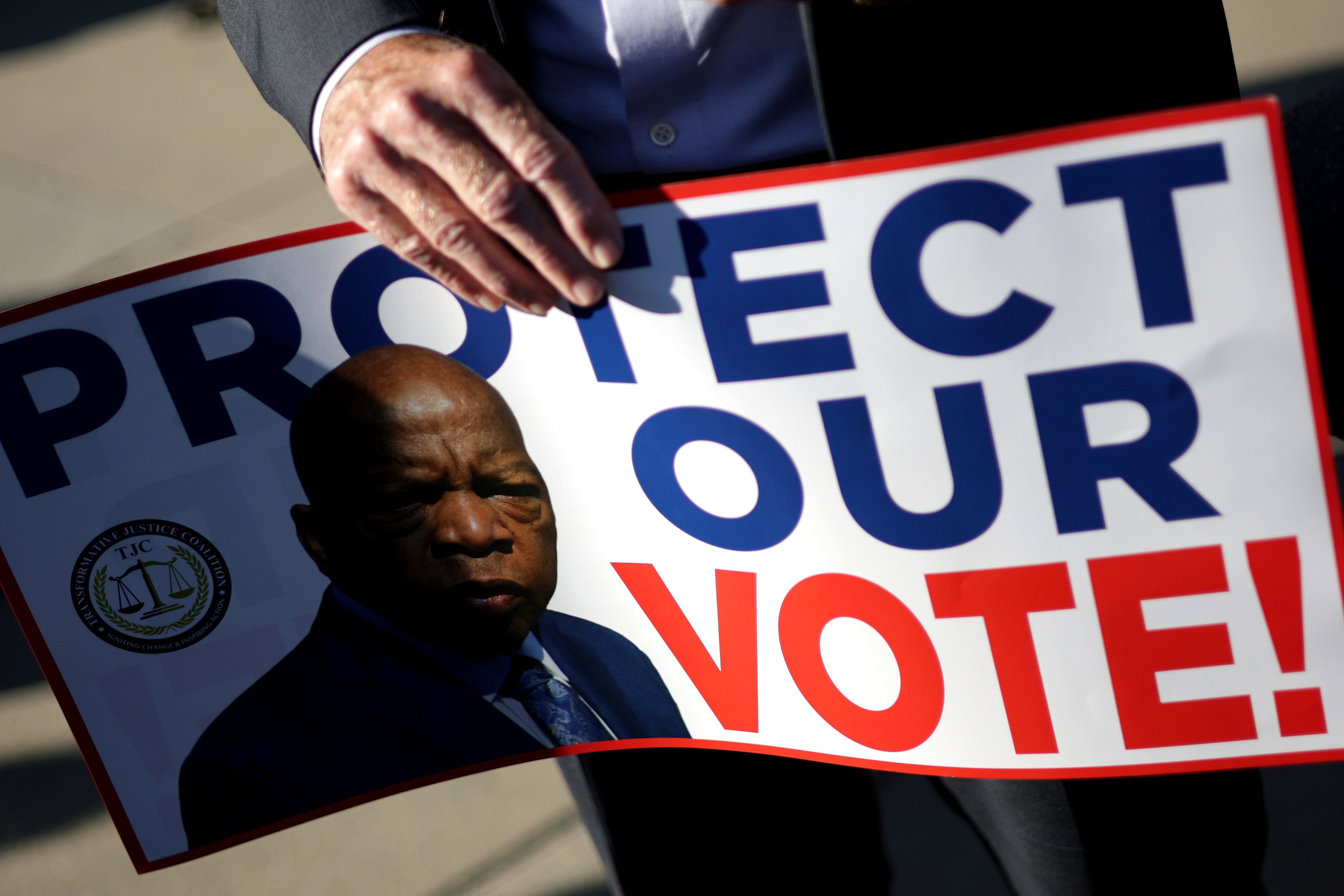
Derrick Johnson, President and CEO of the NAACP, condemned Wednesday’s ruling as “a devastating blow” to the Voting Rights Act and a green light for corrupt politicians seeking to manipulate electoral systems. “The Supreme Court betrayed Black voters, they betrayed America,” he asserted, calling for increased voter turnout in upcoming elections as a means of resistance.
As redistricting battles intensify ahead of the midterm elections, this ruling adds to a series of Supreme Court decisions that have gradually weakened protections against racial gerrymandering. A landmark 2013 case significantly diminished federal oversight of voting law changes in states with histories of discrimination.

The Supreme Court’s decision in Louisiana v. Calais coincides with Florida's efforts to implement a new congressional map designed to secure additional Republican seats, further complicating the electoral landscape as parties prepare for critical elections ahead.