

Supreme Court Restricts Racial Considerations in Redistricting, Favoring Republican Interests
On Wednesday, the Supreme Court issued a ruling that significantly alters the landscape of redistricting, declaring a Louisiana congressional map a racial gerrymander despite its intention to adhere to the Voting Rights Act. This decision marks a pivotal moment in the ongoing debate over race and representation in American politics.
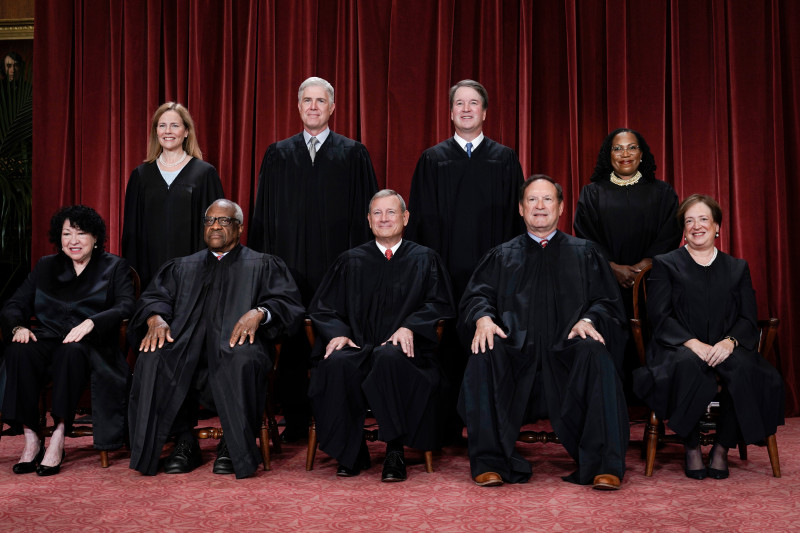
The court's conservative majority, split 6-3, established that states are largely prohibited from considering race when drawing electoral maps under Section 2 of the Voting Rights Act. This law was originally designed to safeguard minority voters from discrimination in elections.
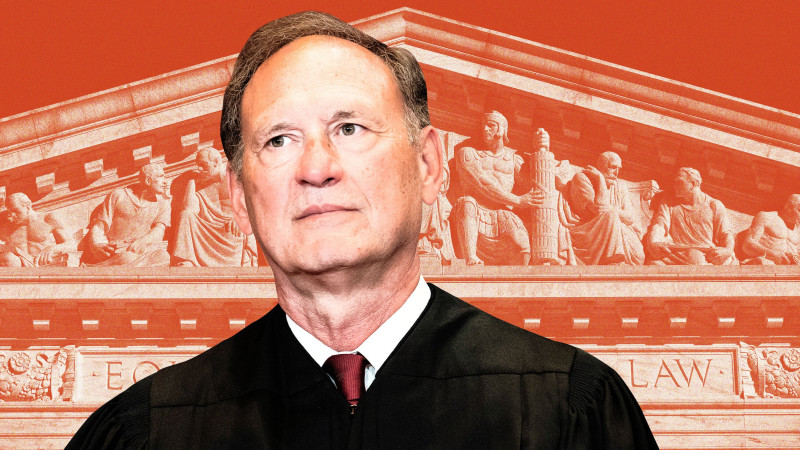
Justice Samuel Alito, representing the majority opinion, asserted that while there may be rare instances where race could be justified in map drawing, the circumstances in Louisiana did not meet that threshold. He characterized the state's map as an "unconstitutional racial gerrymander," necessitating a redraw.
With Louisiana's primary election looming on May 16, the state faces a tight timeline to comply with the ruling. The implications extend beyond Louisiana; other states may also need to reassess their maps, potentially leading to fewer minority-majority districts across various levels of government.
Alito's opinion reflects a shift in judicial philosophy regarding race in government decision-making. He argued that allowing race to influence such decisions deviates from constitutional principles that apply broadly across contexts.

In his concurring opinion, Justice Clarence Thomas expressed that this ruling should effectively dismantle a system he views as unjustly segregating voters by race. Meanwhile, dissenting justices voiced strong concerns about the ruling's far-reaching consequences. Justice Elena Kagan warned that it could render Section 2 nearly ineffective, allowing states to dilute minority voting power without legal repercussions.
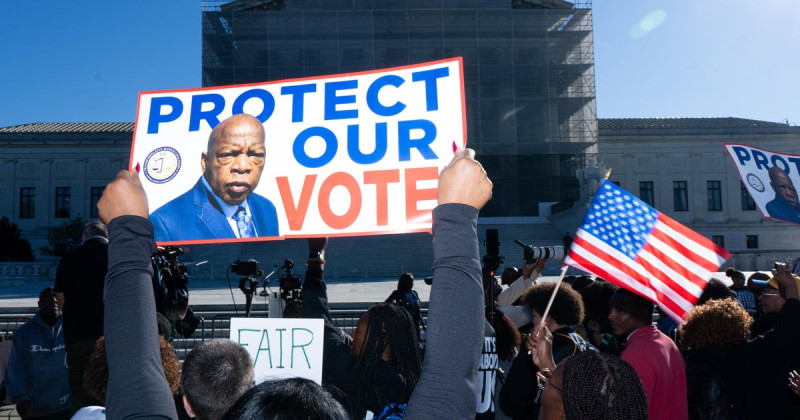
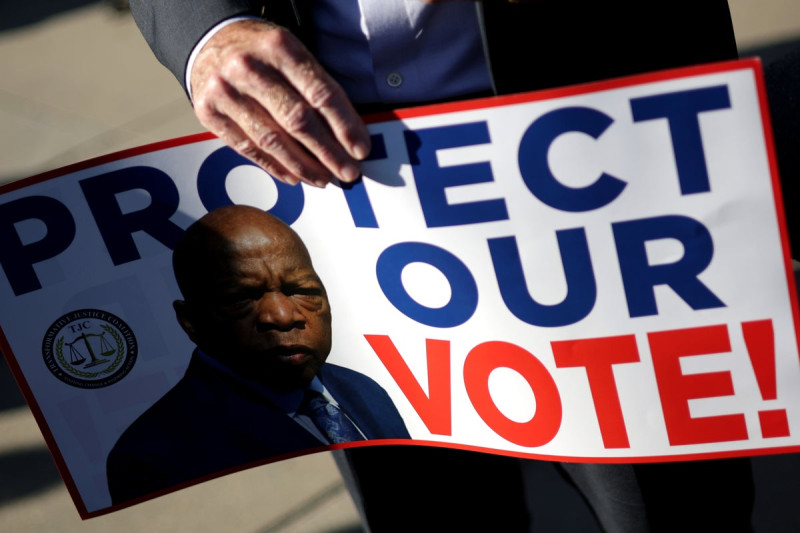
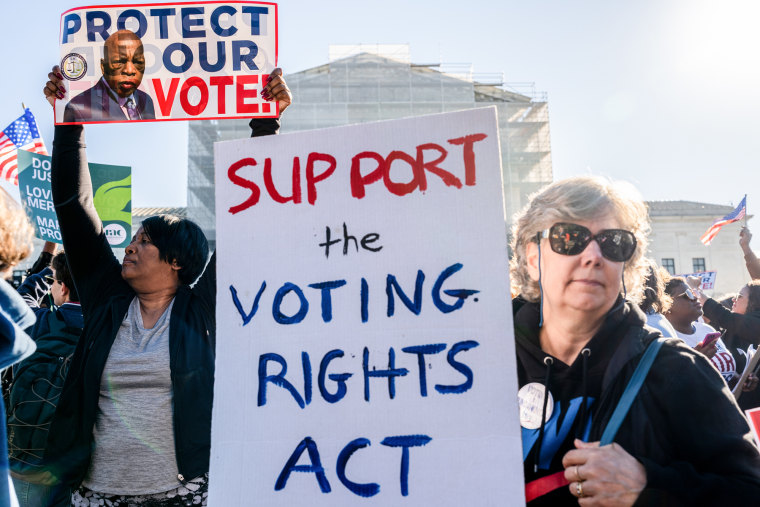
Voting rights advocates reacted strongly, suggesting that this ruling signals the end of successful challenges under Section 2. Justin Levitt, an election law expert, described it as a complete dismantling of protections, likening it to burning down a house while pretending it still stands.
Kareem Crayton from the Brennan Center criticized Alito's assertion that racial discrimination is now rare in the South, arguing it dismisses the ongoing struggles of millions of voters seeking representation.
Derrick Johnson, president of the NAACP, condemned the ruling as a betrayal of Black voters and democracy itself, calling it a significant setback for civil rights progress.
Conversely, Louisiana's Republican attorney general Liz Murrill hailed the decision as "seismic," asserting that it validates their original stance on redistricting. President Trump also celebrated the ruling on social media, framing it as a victory for equal protection under the law.

This ruling follows previous Supreme Court decisions that have chipped away at the Voting Rights Act, including significant rulings in 2013 and 2021. In 2023, however, the court had appeared to support voting rights by striking down Republican-drawn districts in Alabama.
The Louisiana case arose after the state initially drew a map post-2020 census that included only one majority-Black district out of six, despite Black residents constituting one-third of the population. A lower court found this map violated the Voting Rights Act, prompting Louisiana to redraw it with two majority-Black districts. The Supreme Court has now deemed this revised map unlawful as well.
The case underscores a broader ideological conflict between conservatives advocating for a "colorblind" interpretation of constitutional amendments and liberals who argue for continued protections against racial discrimination in voting.
Initially addressing a narrower legal question, the justices expanded the case's scope to consider whether race can be factored into redistricting efforts aimed at complying with the Voting Rights Act. Louisiana's position shifted during the proceedings; it joined forces with self-identified "non-African-American" voters challenging the map on constitutional grounds.
As Louisiana prepares for its upcoming primaries, attorneys for one of the plaintiffs have requested an expedited transmission of the Supreme Court's ruling to ensure compliance before election day. Typically, such transmissions take 32 days, which could jeopardize the electoral process if not addressed promptly.
The Supreme Court is expected to respond to this request shortly, as time is of the essence for Louisiana's electoral preparations.