

Supreme Court Upholds Anti-Abortion Center's Right to Challenge Donor Disclosure
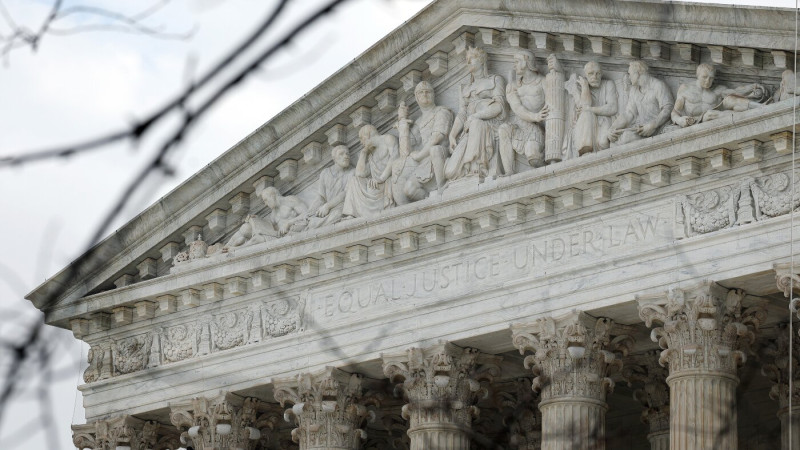
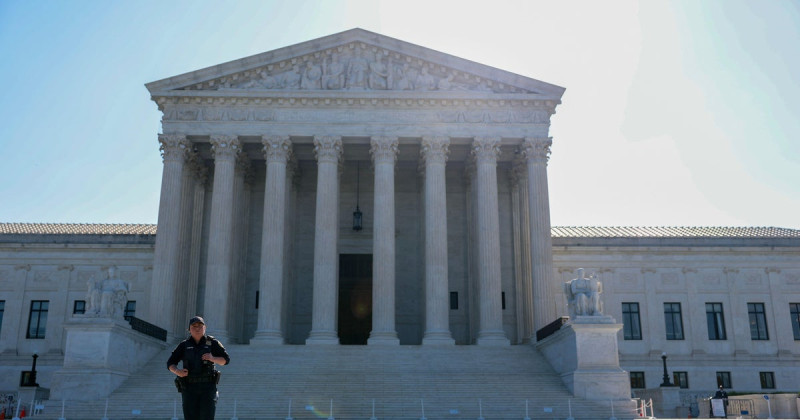
The Supreme Court delivered a significant victory for anti-abortion advocates on Wednesday, ruling unanimously that First Choice Women’s Resource Centers, Inc. can contest an order demanding the disclosure of its donor information.
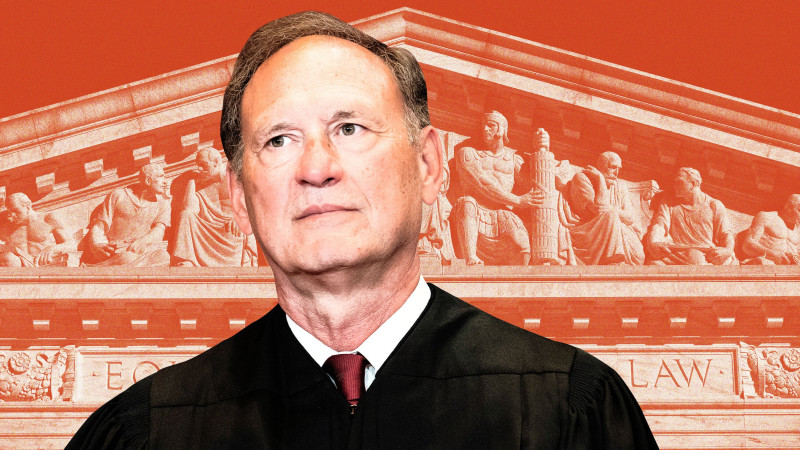
This decision, stemming from the case First Choice Women’s Resource Centers, Inc. v. Davenport, centers on First Amendment rights. Justice Neil Gorsuch authored the 25-page opinion, asserting that the subpoena posed a threat to the organization’s right to associate freely, thus granting First Choice the standing to pursue its case in federal court.
First Choice contends that revealing its donor list could deter potential contributions due to fears of harassment, which they argue infringes upon constitutional protections for individuals joining advocacy groups without government interference.
While the ruling allows the case to move forward, it does not address the substantive issues at hand. “This Court has long held that ‘compelled disclosure of affiliation with groups engaged in advocacy may constitute as effective a restraint on freedom of association’ as more direct forms of suppression,” Gorsuch noted in his opinion.
The case will return to lower courts, where First Choice will have the opportunity to present its arguments regarding the merits of the subpoena.
This ruling is particularly significant for First Choice and similar anti-abortion centers, as it establishes a precedent allowing them to bypass state regulations by appealing directly to federal courts known for their conservative leanings.
The legal battle originated from a 2023 subpoena issued by then-New Jersey Attorney General Matthew Platkin, who was investigating claims that First Choice misled donors and clients about the reproductive health services it provided. The court's focus was whether First Choice's challenge to Platkin’s subpoena was appropriately filed in federal court rather than state court. The implications of this decision may facilitate these centers in evading regulations designed to safeguard patients.
Alliance Defending Freedom, a conservative legal organization involved in numerous high-profile anti-abortion cases, represented First Choice. The Trump administration’s Department of Justice also supported First Choice in this matter.
Gorsuch emphasized the narrow scope of the court's inquiry. “We are not asked to decide the merits of First Choice’s federal lawsuit, only whether it may proceed,” he stated.
The court ultimately sided with First Choice, agreeing that the subpoena's demand for donor information had inflicted an ongoing injury to its First Amendment rights by discouraging potential donors from associating with the organization.
Anti-abortion pregnancy centers, often referred to as crisis pregnancy centers, have a notorious reputation for misleading women seeking abortions by presenting themselves as providers of such services. First Choice’s website includes a section on abortion services, detailing procedures and costs, while subtly branding itself as “an abortion clinic alternative” that does not actually provide abortions.
These faith-based organizations frequently establish themselves near legitimate abortion clinics and do not offer abortion services. They may employ tactics that shame women or dissuade them from terminating pregnancies. A significant number of the approximately 2,600 crisis pregnancy centers across the country disseminate scientifically inaccurate information from staff lacking medical credentials or training.
Despite being part of a multibillion-dollar industry funded by taxpayer dollars, these organizations remain largely unregulated, according to a 2025 report from Reproductive Health and Freedom Watch.
Contributions from Lilli Petersen and Sara Boboltz aided in compiling this report.