
Trump's Legal Setbacks Fail to Deter His Assault on Press Freedom
President Donald Trump’s ongoing legal battles with American media outlets have resulted in a string of defeats, yet these setbacks have not diminished his relentless campaign against press freedom. The courtroom losses seem to fuel a broader strategy of intimidation and retaliation that extends far beyond legal confines.
Judicial rulings have consistently favored news organizations, dismissing Trump’s defamation lawsuits and thwarting attempts to limit press access or defund public broadcasting. These decisions often reference the strong protections for free speech outlined in the First Amendment. However, the slow-moving nature of litigation and complex appeals processes have allowed an administration known for its rapid actions to exploit legal loopholes and adjust its tactics following defeats.
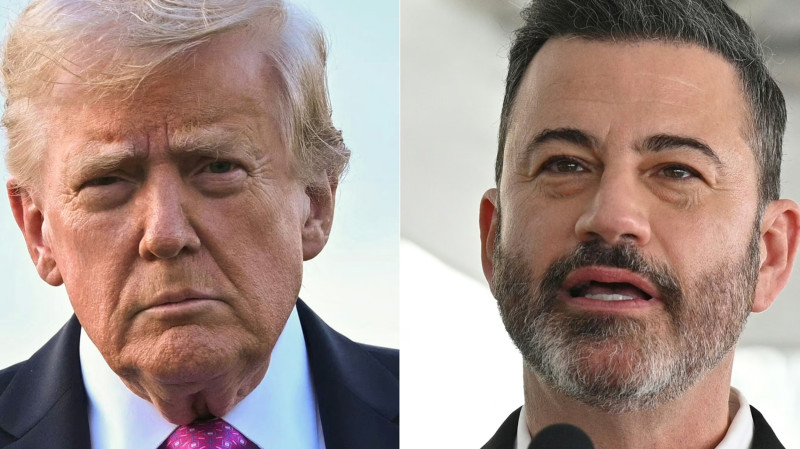
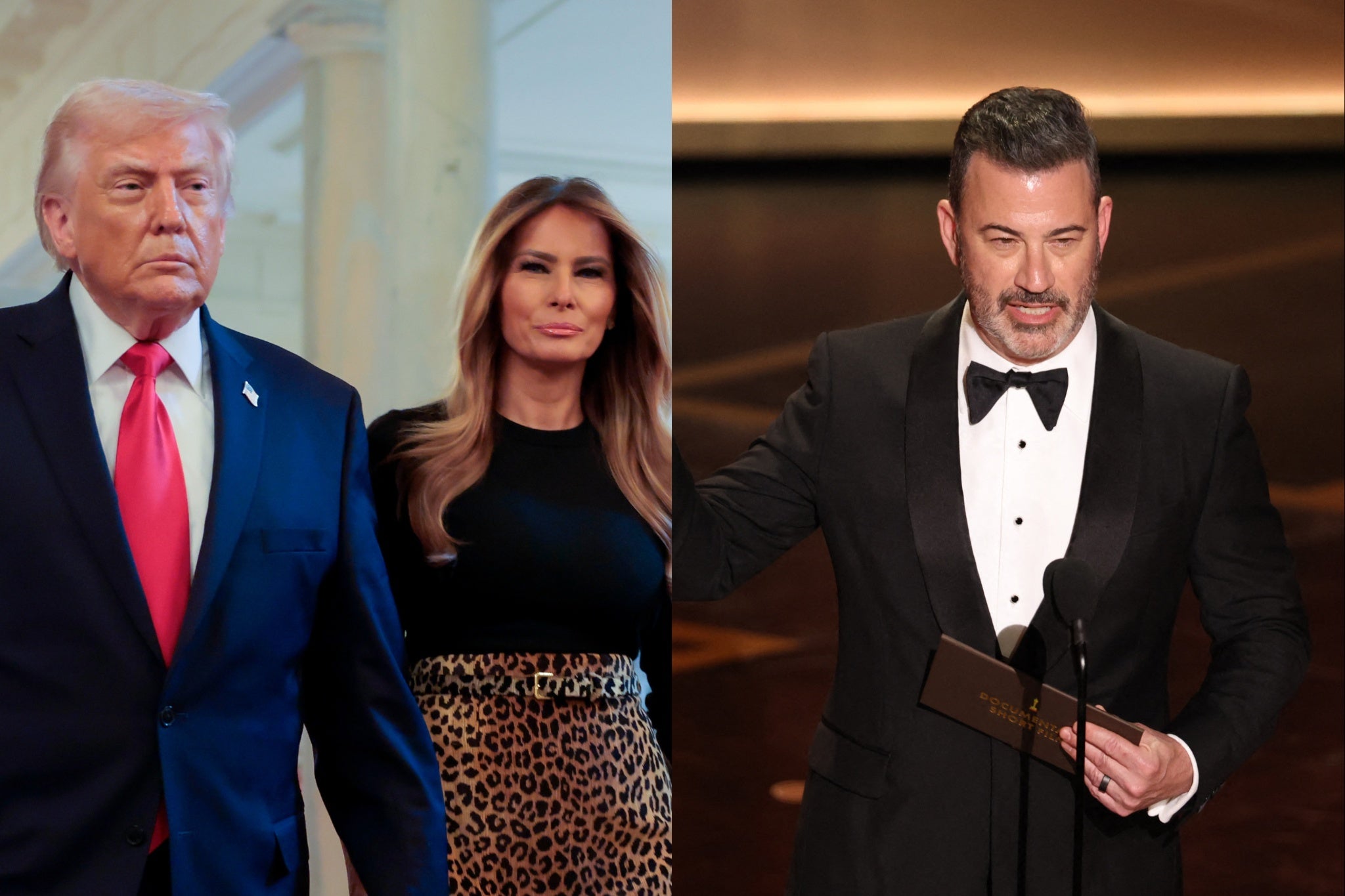
Public confrontations, such as Trump's exchanges with late-night host Jimmy Kimmel, illustrate a pressure campaign that operates outside the judicial framework. Even as courts uphold media rights, Trump has called for firings and regulatory scrutiny, exerting influence on companies without resorting to legal channels.
"Trump can repeatedly lose individual court battles but still advance his broader agenda of weakening and destabilizing the press," remarked Christina Koningisor, a law professor at UC San Francisco, who interprets this as a deliberate strategy of prolonging litigation.
A representative for Trump’s legal team stated that the president will "continue to pursue accountability for what he calls false reporting and defamatory claims." In contrast, a White House spokesperson described Trump as "the most open and accessible U.S. president ever," claiming his administration has "broadened press access in unprecedented ways."
Since 2020, Trump has filed at least nine lawsuits against major media companies, seeking billions in damages for alleged false reporting. Simultaneously, his administration has sought to limit press access to government agencies and threatened regulatory action against critical outlets, prompting legal challenges from those organizations.
The latest setback for Trump occurred on April 13 when a judge dismissed his $10 billion defamation lawsuit against the Wall Street Journal and its parent company, Dow Jones. The suit revolved around a story detailing a birthday letter to Jeffrey Epstein that bore Trump’s signature. U.S. District Judge Darrin Gayles ruled that the complaint did not meet the "actual malice" standard necessary for public figures to win defamation cases.
Despite this dismissal, Judge Gayles allowed Trump to file a revised complaint, indicating that Dow Jones may still face a lengthy and costly legal battle over what it maintains was accurate reporting. Trump's attorneys have indicated plans to submit a revised suit. If the case survives another dismissal attempt, the ensuing discovery, trial, and appeals could extend for years.
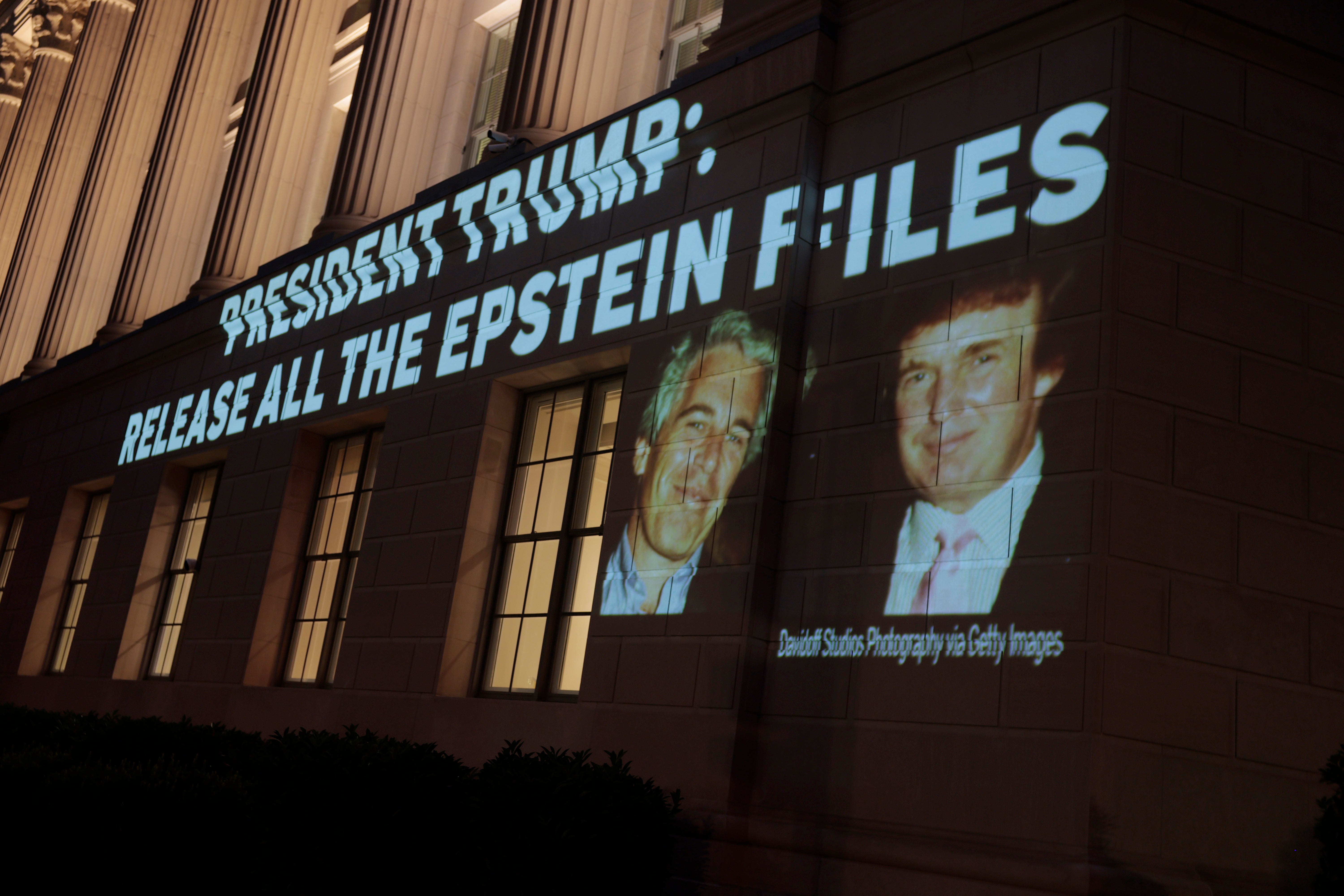
Similarly, Trump's 2022 lawsuit against CNN regarding its coverage of his unproven election fraud claims was dismissed in 2023, a ruling upheld by an appeals court, although Trump may still seek Supreme Court review. "The way our legal system works, it can cost a lot of time and money, and the president is able to take advantage of that," noted Tre Lovell, a specialist in defamation law.
Two media companies have settled defamation suits initiated by Trump despite experts deeming the claims baseless. These settlements underscore the potential financial burden of litigating such cases. ABC agreed to donate $15 million to Trump's library after he sued over inaccurate comments related to a civil case where he was found liable for sexual abuse.
Neither company admitted wrongdoing; however, ABC issued an apology and expressed regret over anchor George Stephanopoulos’ remarks regarding the civil judgment. Critics of CBS's settlement suggested that its parent company, Paramount, may have settled to facilitate regulatory approval of its $8.4 billion merger with Skydance Media, which was granted shortly thereafter.
Challenges against Trump administration actions can be slow and costly; even victories for the press can be fleeting, often stalled by appeals or arriving too late to effect meaningful change. In just the past month, judges have blocked a Trump executive order aimed at cutting federal funding for public broadcasting, reversed efforts to dismantle Voice of America, and invalidated Pentagon press-access rules as unconstitutional. In each case, courts determined that the Trump administration violated First Amendment protections by discriminating against media outlets based on viewpoint.

However, an administration willing to test legal boundaries and quickly appeal losses has consistently outmaneuvered a judicial process that is inherently slow and methodical. For instance, National Public Radio filed suit in May 2025 to challenge Trump’s executive order eliminating federal broadcasting funds. When U.S. District Judge Randolph Moss ruled in NPR’s favor last month, the agency that once funded it had already ceased to exist due to Trump's actions and similar moves by Republican allies in Congress. Voice of America secured court relief on March 18, nearly a year after its journalists initiated legal action against its dismantling.
While courts play a crucial role in safeguarding press freedom, they cannot be the only check against abuses, according to First Amendment attorney Doug Mirell. "Trump's campaign against the media is so multifaceted that judicial efforts alone are insufficient," Mirell concluded.