


Supreme Court Decision Set to Transform Political Landscape in America
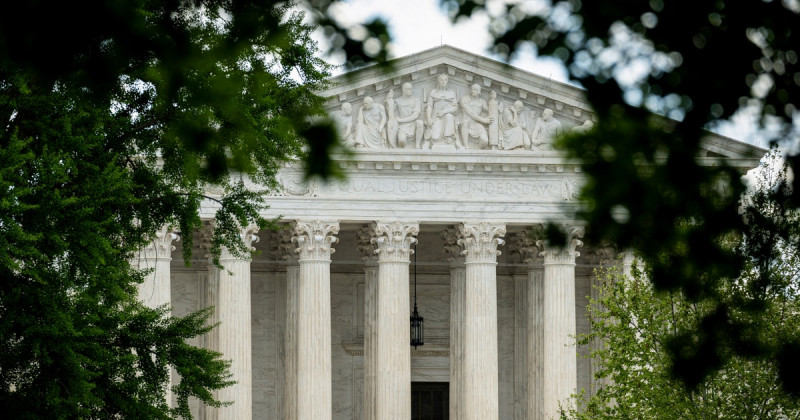
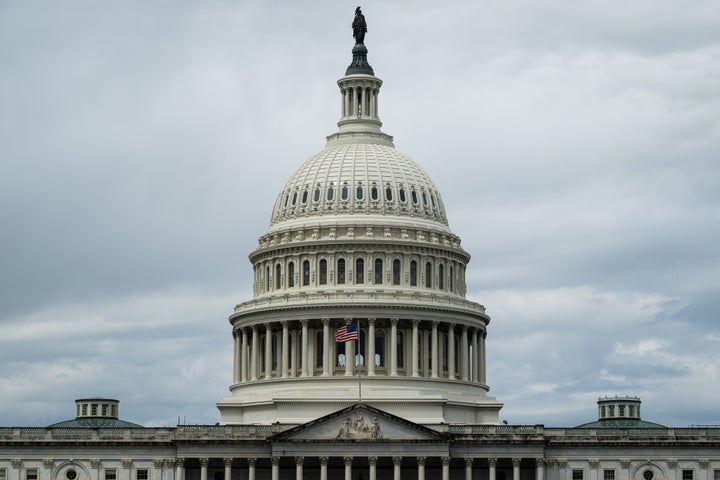
The U.S. Supreme Court’s conservative majority delivered a pivotal ruling on Wednesday, granting Republicans a significant advantage in their ongoing quest for dominance in the House of Representatives and state legislatures nationwide. However, the timing of this decision raises questions about its immediate impact on the upcoming midterm elections.
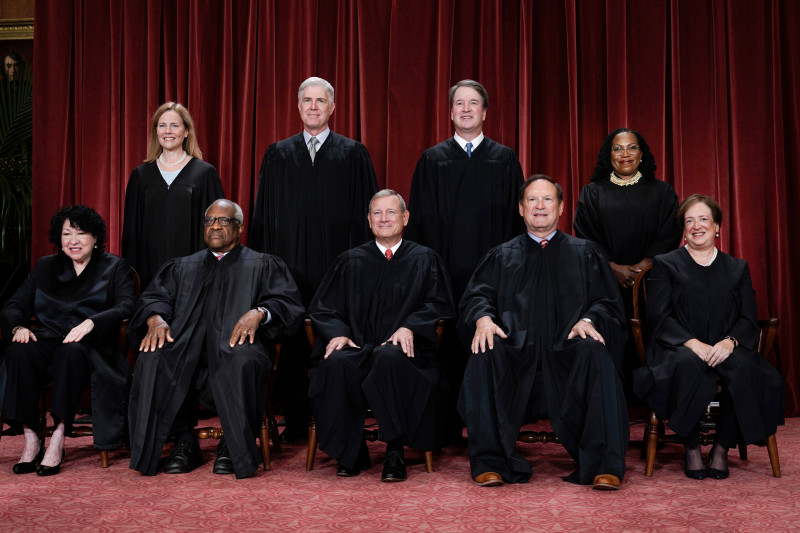
In a 6-3 decision, the court effectively dismantled the Voting Rights Act’s stipulation that districts must be drawn to ensure minority voters can elect representatives of their choice. This requirement had previously safeguarded Democratic-leaning majority-minority districts, particularly in Republican strongholds where lawmakers might otherwise skew district lines in favor of their party.
With this mandate now largely nullified, Republican lawmakers, especially in Southern states, are poised to redraw district maps, potentially eliminating Democratic-leaning areas and increasing their chances of securing more seats in the U.S. House. There are numerous districts in Republican-controlled states that could be affected by this ruling.
Following the ruling, Republican leaders quickly called for a reassessment of congressional maps in states like Louisiana and Tennessee. Yet, they face a pressing challenge: the ruling arrived after many filing deadlines for this year’s primary elections, and in some cases, after those primaries had already occurred. Consequently, ballots are finalized, and early voting has commenced in several states.
“No time to waste,” declared Rick Jackson, a businessman and GOP gubernatorial candidate in Georgia, advocating for immediate map revisions even as voting is underway for the May 19 primary. “Georgia must act now to ensure secure elections and counter the Democrats’ national assault on our elections.”
In Tennessee, Senator Marsha Blackburn, also vying for the GOP gubernatorial nomination, urged a redrawing of the state’s congressional map to replace its sole majority-Black Democratic seat with one more favorable to Republicans, despite the March 10 deadline for candidates to file.
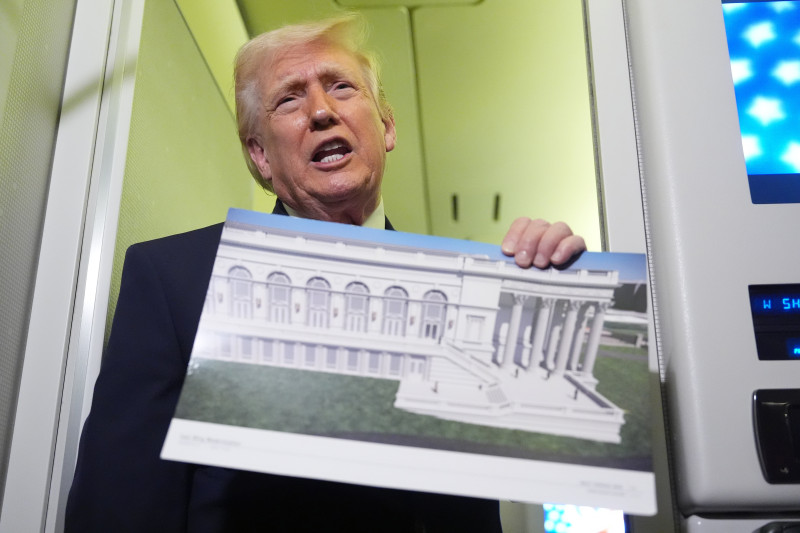
Former President Trump lauded the ruling, praising Justice Samuel Alito for restoring “the Voting Rights Act to its Original Intent,” which he claimed was designed to combat intentional racial discrimination.
While Democrats have managed to counter some Republican efforts to create more favorable districts during the recent round of redistricting, they face an uphill battle against the potential gains that could arise from the effective erosion of the Voting Rights Act.
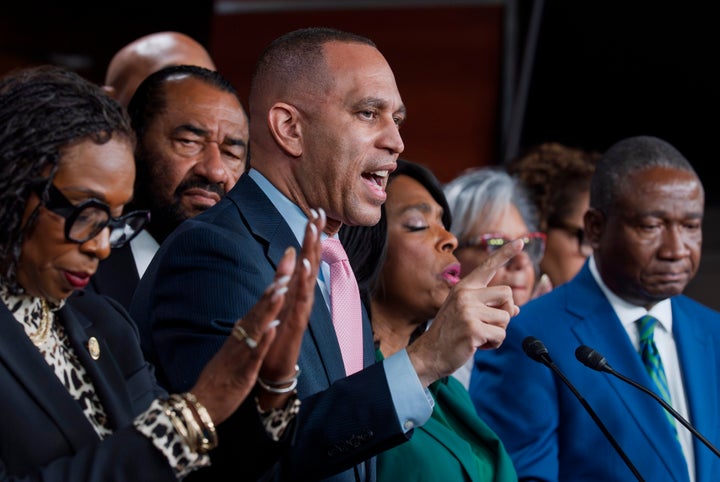
“It should not be lost on anyone that the Roberts court makes this decision at a time when Republican leaders across the country are eager to diminish the American people's influence in our elections,” stated former Attorney General Eric Holder, who chairs the National Democratic Redistricting Committee. He criticized the ruling as a means for Republicans to maintain power through sanctioned racial and partisan gerrymandering.
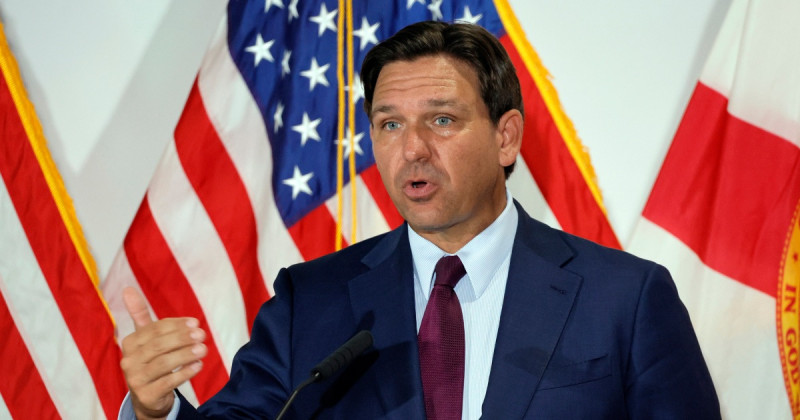
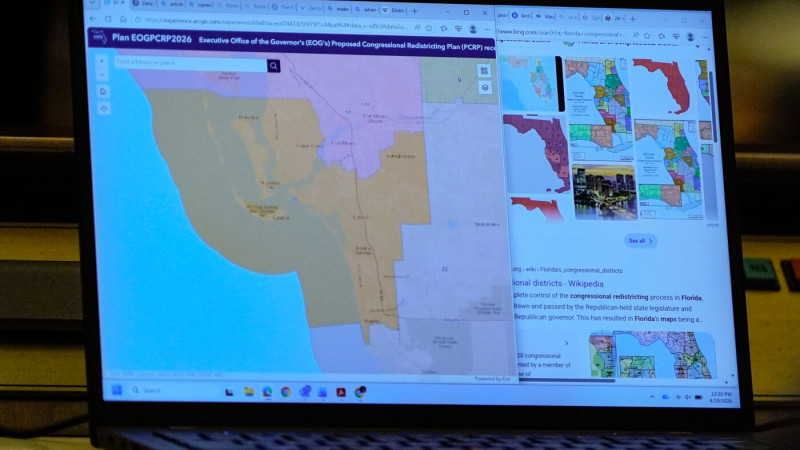
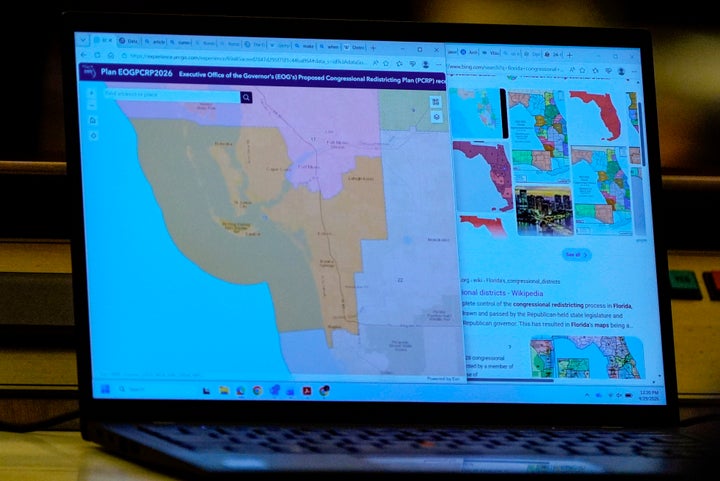
Florida stands out as the only Republican-controlled state with a clear path to capitalize on this ruling before the midterms. Governor Ron DeSantis has called for a special session to adopt a new congressional map that could yield four additional winnable House seats for his party. With Florida's primary not scheduled until August, DeSantis had anticipated this Supreme Court decision.
The Florida Legislature approved the new congressional map shortly after the ruling. Other states now face the unprecedented challenge of potentially revising maps while voters are already casting ballots or after candidate filing periods have closed.
“I don’t know what the implications are going to be for the fall. It’s pretty late,” remarked Rep. Richard Hudson of North Carolina, who chairs the National Republican Congressional Committee. He noted that any redistricting decisions moving forward would rest with governors and state legislatures.
In the long run, this ruling paves the way for a significant reshaping of America’s political landscape by the next presidential election in 2028. “The Voting Rights Act as a safeguard against vote dilution for minority voters is essentially dead,” asserted Jonathan Cervas, a political scientist at Carnegie Mellon University who has served as a court-appointed special master in various Voting Rights Act cases. “It’s hard to envision how this decision won’t lead to an increase in GOP districts moving forward.”
Cervas pointed out that while the Voting Rights Act has often benefited Democrats, its application is not exclusively partisan; it frequently comes into play in local races for positions like school boards or city councils. Republicans have long contended that Democrats have exploited this law to secure favorable districts for Black voters in red states that white voters in blue states would not receive.
“For decades, the left has invested heavily in efforts to divide Americans along racial lines under the guise of civil rights,” stated Adam Kincaid, executive director of the National Republican Redistricting Trust. “Today’s decision rebukes that divisive and unconstitutional effort.”
While the ruling may facilitate Republican efforts to dismantle Democratic-leaning districts, it does not erase those voters entirely. In some states, Republicans cannot simply eliminate all such districts without risking their own incumbents by dispersing enough Democratic voters.
Moreover, concentrating Democratic-leaning minority voters into specific districts has occasionally hindered Democrats in states like Michigan by reducing their number of competitive districts. The party could mitigate Republican gains by broadening minority voter distribution in states they control.
However, political pressure from some Black and Hispanic Democrats may resist such changes, as they seek to maintain majority representation within certain districts. Additionally, Democratic-led states are more likely to employ nonpartisan redistricting commissions that create less partisan congressional maps and have adopted state-level versions of the Voting Rights Act to protect marginalized communities.
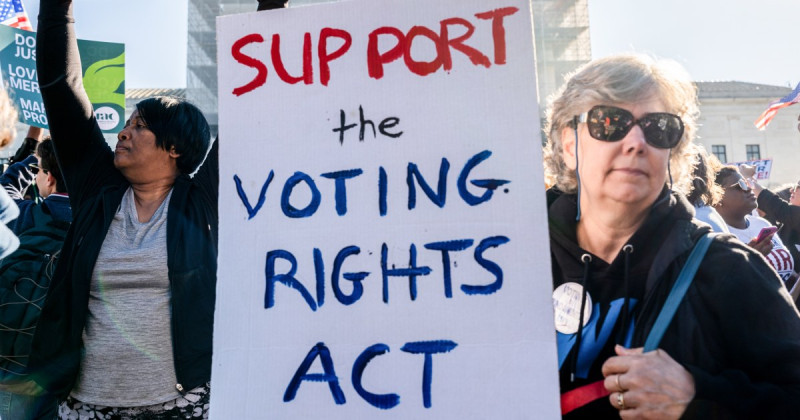
This process will take time but indicates a future with less regulated mapmaking practices. Thomas Johnson, a Black voter from New Orleans who was at the state Capitol lobbying on unrelated legislation when the ruling was announced, expressed concern over potential changes. The majority-Black congressional district he resides in could be reconfigured by Louisiana’s Republican legislature.
“We are going to do all we can and continue fighting so our voices are heard,” Johnson stated. “That’s all we want—to be heard.”